

You approve the price before we start — the Circle T Trust Guarantee.
Garbage Disposal Installation and Repair in Fort Worth, TX — Proper Fit, Correct Drain Connection, Done Right.
Circle T Plumbing installs and replaces garbage disposals for Fort Worth-area homeowners. Licensed installation with drain line assessment — new install or replacement, done correctly the first time.
- Texas Responsible Master Plumber License #M45785
What we do, plainly.
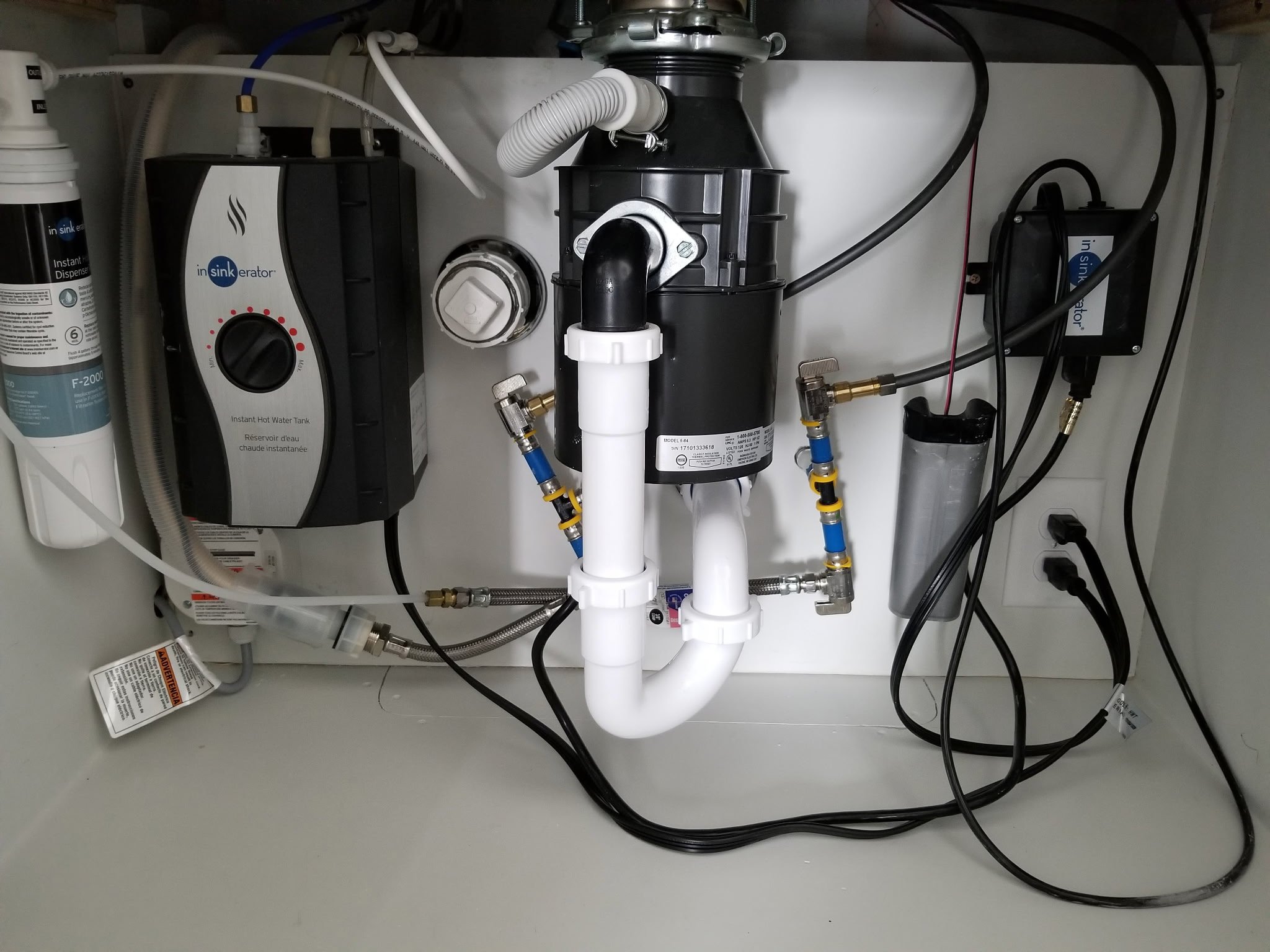
Circle T Plumbing installs and replaces garbage disposals for Fort Worth-area homeowners — whether you’re adding a disposal to a kitchen that has never had one, or replacing a unit that has failed or worn out. Our Responsible Master Plumber (License #M45785, issued by the Texas State Board of Plumbing Examiners) ensures the installation is done correctly: proper drain connection, secure mounting, correct drain knockout configuration, and verified operation before we leave. You approve the price before any work begins.
Disposal installation may seem like a simple appliance swap, but the drain connection is where improper installation creates downstream problems. Circle T Plumbing assesses the drain line condition at every disposal installation — because a failing disposal often shares a drain line with an already-stressed kitchen drain. Handling both at the same visit is frequently the better call.
New Installation vs. Replacement — What's Involved
Garbage disposal work comes in two distinct scenarios, and the process differs meaningfully between them.
Replacement: If a disposal has simply worn out or failed, replacement is the most straightforward path. Circle T removes the old unit, inspects the sink flange, drain connection, and discharge tube for wear or damage, installs the new disposal, and tests under full water load before confirming complete. The drain line condition is assessed at the same time — it’s worth knowing what the kitchen drain looks like while we’re already there.
New installation: Homes without a disposal — or homes where the disposal was removed during a remodel — require more upfront assessment. We evaluate the sink drain basket for a knockout plug (the pre-punched drain opening that disposals connect to), confirm the electrical outlet or wiring under the sink can support the unit, and check that the drain line is appropriately sized for the additional waste volume a disposal generates. We explain any scope additions before starting, and you approve the full price before work begins. Licensed installation also ensures the installation meets code, which matters for homes where remodeling permits are active or where appliance warranty is a consideration.
Both scenarios include dishwasher drain connection assessment if a dishwasher is present — disposals frequently have a dishwasher drain knockout that needs to be opened and connected, or left capped if no dishwasher drain runs there.
Sizing and Selection — What to Know Before Installing
Garbage disposals are sold in a range of motor sizes, and the right size depends on your household’s actual use — not just the kitchen’s square footage.
1/3 HP: Entry-level residential use, light food-waste volume, smaller households. These units handle soft food scraps and basic use but struggle with higher volumes or harder food waste.
1/2 HP: The most common residential choice for average Fort Worth households — handles typical daily food prep waste, soft bones, and moderate volume without stress. A practical fit for most kitchens.
3/4 HP and above: Higher-volume households, heavier daily use, or kitchens where the disposal sees above-average waste volume. Larger grinding chambers and more powerful motors process harder and more fibrous food waste.
Continuous feed vs. batch feed: Continuous feed disposals run while the switch is on — the most common type in residential kitchens. Batch feed models require a cover to operate, which some homeowners prefer for safety around young children.
If you’re not sure which size or model fits your household, Circle T Plumbing will walk through the options with you during the assessment — and you decide what goes in. If you’ve already purchased a unit, we work with it.
What Happens During Installation
Here is the full process, start to finish:
Home protection first: Drop cloths under the sink cabinet, shoe covers on entry. The work area stays clean throughout — Circle T’s Respect-Your-Home standard on every visit.
Drain and electrical assessment: Before removing the old disposal (or touching the sink drain), we assess the condition of the drain flange, discharge tube, and supply connections, and confirm the electrical outlet or wiring is adequate for the new unit. Any scope additions are explained and priced before work starts.
Old disposal removal (if applicable): The old unit disconnects from the drain flange, electrical connection, and mounting ring. We inspect the sink flange for corrosion — a corroded flange may need replacement at the same time, and we’ll let you know before proceeding.
New disposal installation: The new unit mounts to the sink flange via the three-bolt mounting system. Discharge tube connects to the drain line, adjusted to the correct drop angle. If a dishwasher is draining to the disposal, the knockout is opened and the dishwasher drain hose connected and secured with a high-loop to prevent backflow.
Load test and drain check: We run the disposal fully loaded with water — not just a quick on-off, but a sustained run to confirm everything is working under real conditions. The drain line is observed for any backup signal.
Walkthrough: Before leaving, we run through the installation with you. Proper use guidance — what goes in (and what doesn’t) to keep the drain line healthy.
Disposal Clogs and Your Kitchen Drain
Garbage disposals feed directly into your kitchen drain line — and how a disposal is used affects the health of that drain over time. Grease, fibrous foods (celery, artichokes, corn husks), coffee grounds, and eggshells are the most common contributors to kitchen drain buildup that accumulates beyond the disposal and into the drain line itself.
If you’re noticing a slow kitchen drain alongside disposal issues, it’s worth assessing the drain line at the same visit. Circle T Plumbing handles drain cleaning as a separate service — and in many cases, scheduling drain cleaning and disposal replacement together makes more sense than two separate service calls. A slow kitchen drain does not always mean a problem limited to the drain line — it can also signal partial disposal failure, and vice versa. We’ll tell you exactly what we find and where the issue is.
Ready to Schedule?
If your disposal is failing or you’re ready to upgrade — Circle T Plumbing will assess your kitchen setup, install the right disposal correctly, and verify it’s running before leaving. You approve the price first.
Texas Responsible Master Plumber — License #M45785 | Circle T Trust Guarantee — No Surprises Pricing | Done Right the First Time
If you’re upgrading the kitchen faucet at the same time, see faucet installation — many homeowners schedule both at one visit.
Schedule Your Fort Worth Disposal Service
Available in: Fort Worth area | Cleburne area
Know your options before you decide.
-
Replacement
If a disposal has simply worn out or failed, replacement is the most straightforward path.
-
New installation
Homes without a disposal — or homes where the disposal was removed during a remodel — require more upfront assessment.
Step by step.
- 1
Home protection first
Drop cloths under the sink cabinet, shoe covers on entry.
- 2
Drain and electrical assessment
We assess the condition of the drain flange, discharge tube, and supply connections, and confirm the electrical outlet or wiring is adequate for the new unit.
- 3
Old disposal removal
The old unit disconnects from the drain flange, electrical connection, and mounting ring.
- 4
New disposal installation
The new unit mounts to the sink flange via the three-bolt mounting system. Discharge tube connects to the drain line, adjusted to the correct drop angle.
- 5
Load test and drain check
We run the disposal fully loaded with water — not just a quick on-off, but a sustained run to confirm everything is working under real conditions.
- 6
Walkthrough
Before leaving, we run through the installation with you.
What customers say.
-
Top notch plumbing company to work with!
Jamie S.Cleburne · Water Filtration -
They went out of their way to fix a problem that another company created.
Jeremy S.Cleburne · Tankless Water Heater -
Communication was excellent and all questions or concerns I had were answered by professionals.
JPCleburne · Drain Cleaning
- Warranty
- 2 years parts, 1 year labor
- Financing
- Available
Common questions.
A licensed plumber handles the drain connection, mounting, and appliance hookup. If a new dedicated electrical circuit is required for the installation, we'll identify that during the assessment and coordinate accordingly. Most replacement installs use the existing wiring and don't require an electrician.
Yes. Bring your unit and we'll install it. If you'd like input on sizing or model selection before purchasing, we can walk through that during the visit — then you decide.
Most replacement installations run 1–2 hours. New installations (in kitchens that have never had a disposal) take a bit longer because we assess the drain knockout configuration and electrical setup before beginning.
We assess your kitchen setup and present the full price before any work begins. You approve the scope and cost upfront — that's the Circle T Trust Guarantee. No estimates after the fact.
Get your quote.
Tell us what's going on and we'll lay out your options plainly. You approve before we start.
Also Benbrook, Burleson, Crowley, Mansfield, Arlington, and nearby.
Also Joshua, Keene, Alvarado, Godley, Grandview, and nearby.